
What Can a Handyman Do Without a License in Georgia?
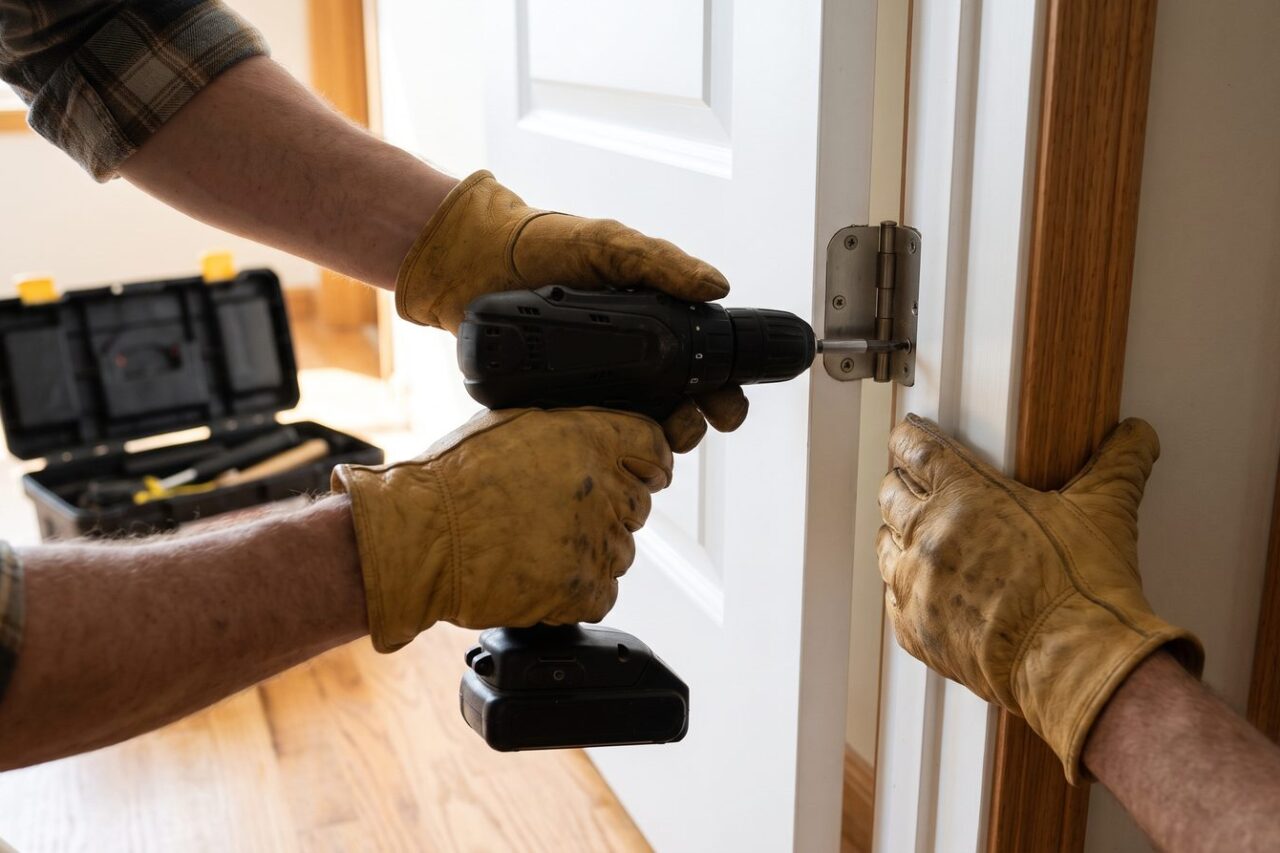
Georgia doesn't have a handyman license. A handyman can take on repair and improvement jobs without a state license as long as the total job, labor plus materials, is $2,500 or less. Above that, Georgia law requires a licensed residential or general contractor. Electrical, plumbing and HVAC work has its own licensing rules no matter the job size.
Here's what that means when you're deciding who to call.
The $2,500 rule
Under Georgia law (O.C.G.A. § 43-41-2), a contractor license is required when the value of the work is more than $2,500. That figure covers the whole job, labor and materials together.
It also covers the whole project. Splitting one remodel into several small invoices doesn't get around the limit. If the full project is more than $2,500, it's contractor work.
Jobs a handyman can usually do
Most everyday repairs and updates fit well under the limit:
- Drywall patches, trim and small carpentry repairs
- Door repairs, new doors and hardware
- Painting, touch-ups and deck staining
- Fence, deck and wood rot repairs
- Caulking, grout and fixture swaps on existing connections
- TV mounting, shelving, grab bars and furniture assembly
- Gutter cleaning and seasonal upkeep
Can a handyman do electrical work?
Only the simple kind. Swapping a light fixture, ceiling fan, switch or outlet on existing wiring is common handyman work. Running new circuits, adding outlets where there's no wiring, or working in the electrical panel is a job for a licensed electrician.
Plumbing works the same way. Replacing a faucet, sink or toilet on existing connections is handyman work. Moving supply lines, new drains, water heaters and anything involving gas go to a licensed plumber. HVAC work needs a licensed HVAC contractor.
Jobs that need a licensed contractor
Call a licensed contractor for:
- Full kitchen or bathroom remodels
- Additions, structural changes or moving walls
- Roof replacement and other jobs over $2,500
- New electrical, plumbing, gas or HVAC work
Some jobs also need a permit from your city or county, even if they're small. Your local building department can tell you what applies.
What about insurance?
Georgia doesn't require a handyman to carry insurance. You should still ask. If someone gets hurt or something gets damaged in your home, insurance is what covers it. Any handyman you hire should be able to tell you plainly whether they're insured.
Questions to ask before you hire
- Is the whole job under $2,500, including materials?
- Does any part of it need an electrician or plumber?
- Will it need a permit?
- Are you insured?
- Will you do the work yourself?
How Handy Hammer handles it
Handy Hammer Construction is a family-owned business based in Buford. We stick to repairs, small updates and like-for-like swaps on existing wiring and plumbing. If part of your list needs a licensed trade, we’ll tell you plainly.
See what we can help with, from home repairs and carpentry to light fixture and outlet swaps. Call (678) 228-0850 or request a quote. Wondering about cost? Read How Much Does a Handyman Charge Per Hour?
This post is general information, not legal advice. Licensing rules can change, so check with the Georgia Secretary of State's licensing board for the latest.